Best Espresso Tampers
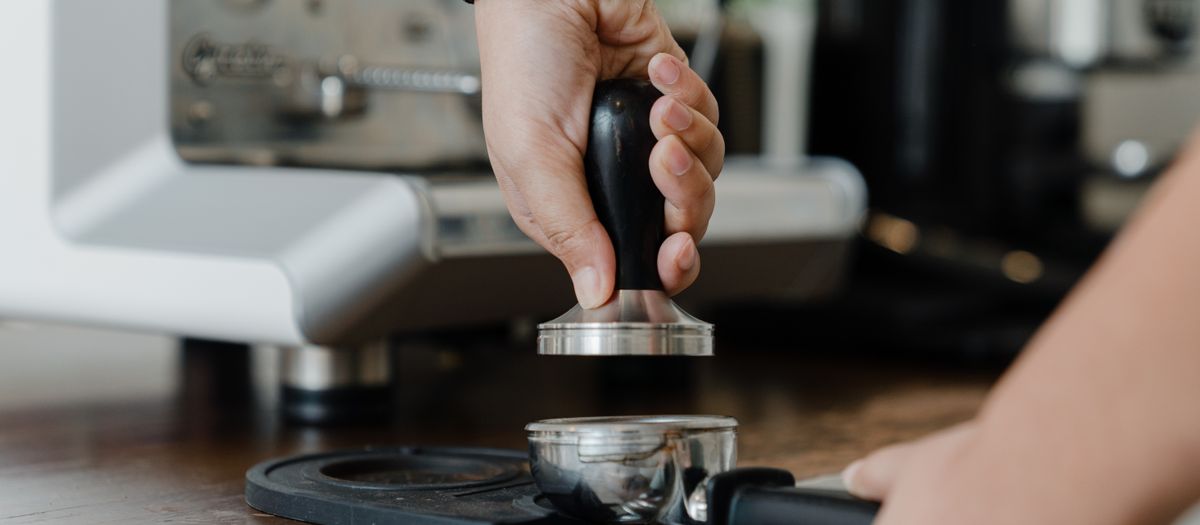
The workflow tools are the cheapest, highest-impact upgrades in espresso — a good tamper, distributor and WDT tool turn an inconsistent puck into a repeatable one. This guide compares the specs that decide the fit — type, material, size and portafilter compatibility — across tampers, distributors, WDT tools and the milk-pitcher and tamping-mat workflow gear. The verified picks appear in each slot once real product data is in.
A note on how to read this. There is no single "best" tamper for everyone — the right one depends on your basket diameter and how you like to prep. The value here is the framework: what each spec changes, so you can shortlist gear that fits your portafilter and your routine.
Specs verified against manufacturer details and current Amazon listings — no hands-on testing claims. Type, material, size and portafilter compatibility are drawn from published manufacturer specs.
How to choose espresso workflow gear
Puck prep is where a good grind turns into an even shot or a channelling one — and the workflow tools are the cheapest upgrades in espresso. A few specs decide whether each one fits your setup; the one that runs through all of them is portafilter compatibility, because gear that does not match your basket cannot do its job. Read these first, then the picks make sense.
Size and compatibility — the spec that has to match first
Basket diameter is the spec to check before anything else, because a tamper, distributor or WDT tool that does not fit your portafilter is useless no matter how good it is. The common sizes are 53mm, 54mm and 58mm, with 58mm the most widely used on prosumer machines. Spec-by-spec, a tamper base should match the basket snugly — a base that is too small leaves a ring of un-tamped grounds at the edge, which is exactly where channelling starts. Measure your basket or check your machine's spec sheet, then buy to that diameter.
The same matching logic applies to distributors, which are sized to the basket, and to bottomless portafilters, which must match your machine's group. Spec-by-spec, compatibility is not a feature you trade off against price — it is a pass/fail gate. Get the size right first, then compare the rest.
Type — what each tool actually fixes
The workflow tools solve different parts of the same problem: getting the coffee bed even before water hits it. A WDT tool is a set of fine needles that stirs the dosed grounds to break up clumps, which is the single most effective fix for channelling for the money — spec-by-spec, it tackles uneven density before you tamp, where the trouble usually begins. A distributor spins on top of the grounds to level the bed to a set depth, giving the tamp a flat surface to press. A tamper then compresses that level bed into a puck.
Tamper type itself splits into flat, convex and self-levelling. Spec-by-spec, a flat base is the standard and presses a flat puck; a convex base curves slightly to push grounds outward against the basket wall, which some find reduces edge channelling; a self-levelling tamper stops at a set depth and pressure so the tamp is consistent without practised technique. A flat base is the safe default, and self-levelling helps most if your tamp pressure wanders. None of these replace a good grind — they make the most of the one you have.
Material, build and the rest of the kit
Build quality shows up in the base. Spec-by-spec, a solid stainless-steel tamper base — flat, polished and machined to the basket diameter — gives an even, durable press, while the handle material is about feel and weight rather than performance. A weighted, well-finished tool is more pleasant to use every day, but the base diameter and flatness are what affect the shot.
Beyond the core three, the workflow kit includes a milk frothing pitcher and a tamping mat. Spec-by-spec, a pitcher with a sharp, defined spout and the right size for your cup makes texturing and pouring microfoam easier — the piece the milk-drink side of the setup leans on, covered in depth in the milk-drink machine guide. A tamping mat protects the counter and gives a stable surface to tamp against. Together these are the cheapest, most consistent improvements you can make to a shot — they finish the prep the grinder starts.
The bottomless portafilter — the diagnostic tool
A bottomless, or naked, portafilter removes the spout so you can watch the underside of the basket as the shot pulls. Spec-by-spec, it must match your machine's group size — 58mm being the most common on prosumer machines — and it does one job better than anything else: it shows channelling instantly. A shot that sprays, squirts to one side or runs uneven is telling you the puck prep failed, and the bottomless portafilter makes that visible in real time rather than hiding it behind a spout.
That makes it the diagnostic piece of the kit. Spec-by-spec, it does not improve the shot by itself — it reveals what your grind, distribution and tamp are actually doing, so you can fix the step that is failing. Pair it with a WDT tool and an even tamp and a once-channelling shot pulls clean and centred. It is the tool that turns puck prep from guesswork into something you can see and correct.
What to buy first
The workflow gear comes in a sensible order. Spec-by-spec, start with a tamper sized to your basket — nothing else works without an even press — then add a WDT tool, which fixes the most channelling per dollar by breaking up clumps before you tamp. A distributor follows to level the bed, and a bottomless portafilter is the diagnostic that shows whether all three are working. A milk pitcher and tamping mat round out the bench. None of it replaces the grinder or the machine — these are the inexpensive finishing tools that let the grind and the shot reach their potential.
| Best for | Type | Material | Size | Compatibility |
|---|---|---|---|---|
| Best overall tamper | Calibrated spring-loaded tamper | Stainless steel | 58.35 mm | 58 mm portafilters |
| Best distributor | Distribution / leveling tool | Stainless steel with walnut handle | 58 mm | 58 mm portafilters |
| Best WDT tool | WDT (Weiss distribution) tool | Aluminum handle, 0.35 mm needles | 7 needles (+7 spare) | All portafilter sizes |
| Best milk frothing pitcher | Milk frothing jug with pour spout | Stainless steel | 12 oz (350 ml) | Any pump espresso machine (De'Longhi lists its own) |
| Best tamping mat | Tamping mat | Food-grade silicone | 8 in x 6 in | Universal (protects counter & portafilter) |
Our top picks
Best overall tamper: IKAPE 58.35mm Espresso Tamper, Premium Barista Calibrated Spring-Loaded Coffee Tamper

Best overall tamper
IKAPE 58.35mm Espresso Tamper, Premium Barista Calibrated Spring-Loaded Coffee Tamper
IKAPE
- Type: Calibrated spring-loaded tamper
- Material: Stainless steel
- Size: 58.35 mm
- Compatibility: 58 mm portafilters
The IKAPE 58.35mm is a calibrated, spring-loaded tamper that delivers consistent pressure for even pucks. It is the best all-round tamper for 58mm machines and beginner-to-intermediate baristas.
Price as of Oct 11, 2026, 13:38 UTC — details
Prices and availability are accurate as of the date/time indicated and are subject to change. Any price and availability information displayed on Amazon at the time of purchase will apply.
Last checked 2026-10-09
Best distributor: 58mm Espresso Distribution Tool, Walnut Handle Coffee Leveler/Distributor

Best distributor
58mm Espresso Distribution Tool, Walnut Handle Coffee Leveler/Distributor
Generic
- Type: Distribution / leveling tool
- Material: Stainless steel with walnut handle
- Size: 58 mm
- Compatibility: 58 mm portafilters
This 58mm distributor levels and evenly spreads grounds before tamping for more consistent extraction. It is the best distributor pick to reduce channeling on 58mm baskets.
Price as of Oct 11, 2026, 13:38 UTC — details
Prices and availability are accurate as of the date/time indicated and are subject to change. Any price and availability information displayed on Amazon at the time of purchase will apply.
Last checked 2026-10-09
Best WDT tool: WDT Espresso Distribution Tool, 0.35mm 7-Needle Coffee Stirrer with Stand and Spare Needles

Best WDT tool
WDT Espresso Distribution Tool, 0.35mm 7-Needle Coffee Stirrer with Stand and Spare Needles
Generic
- Type: WDT (Weiss distribution) tool
- Material: Aluminum handle, 0.35 mm needles
- Size: 7 needles (+7 spare)
- Compatibility: All portafilter sizes
This 7-needle WDT tool breaks up clumps and evenly distributes grounds in the basket before tamping, cutting channeling. It is the best WDT pick and includes spare needles and a stand.
Price as of Oct 11, 2026, 13:38 UTC — details
Prices and availability are accurate as of the date/time indicated and are subject to change. Any price and availability information displayed on Amazon at the time of purchase will apply.
Last checked 2026-10-09
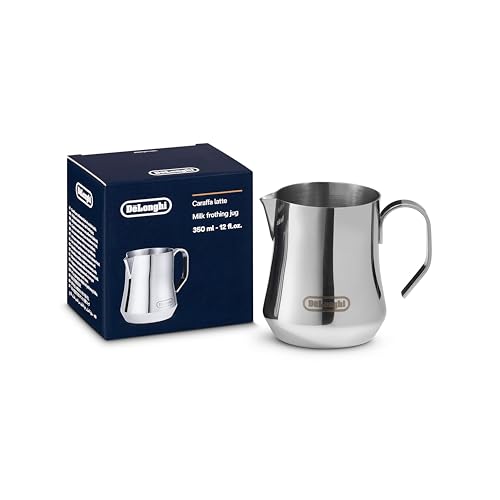
Best milk frothing pitcher: De'Longhi DLSC060 Milk Frothing Jug, 12 oz, Stainless Steel
Best milk frothing pitcher
De'Longhi DLSC060 Milk Frothing Jug, 12 oz, Stainless Steel
De'Longhi
- Type: Milk frothing jug with pour spout
- Material: Stainless steel
- Size: 12 oz (350 ml)
- Compatibility: Any pump espresso machine (De'Longhi lists its own)
De'Longhi's 12 oz (350 ml) stainless-steel frothing jug with a pour spout, sized for single cappuccinos and lattes on any pump espresso machine.
Price as of Oct 11, 2026, 13:38 UTC — details
Prices and availability are accurate as of the date/time indicated and are subject to change. Any price and availability information displayed on Amazon at the time of purchase will apply.
Last checked 2026-10-09
Best tamping mat: Apexstone Silicone Coffee Tamper Mat 8 Inch x 6 Inch, Espresso Tamping Mat

Best tamping mat
Apexstone Silicone Coffee Tamper Mat 8 Inch x 6 Inch, Espresso Tamping Mat
Apexstone
- Type: Tamping mat
- Material: Food-grade silicone
- Size: 8 in x 6 in
- Compatibility: Universal (protects counter & portafilter)
The Apexstone silicone mat gives a non-slip, counter-protecting surface to tamp on with a raised edge for the portafilter. It is the best-value tamping mat for any home espresso setup.
Price as of Oct 11, 2026, 13:38 UTC — details
Prices and availability are accurate as of the date/time indicated and are subject to change. Any price and availability information displayed on Amazon at the time of purchase will apply.
Last checked 2026-10-09
Who should buy what
The one tool to buy first — best overall tamper
The best overall tamper slot is the foundation of puck prep. Spec-by-spec, that points to a solid stainless flat base machined to your basket diameter — the tool that turns a level bed into an even puck and presses out the air that causes weak, fast shots. Matched to the right size, it is the first workflow buy and the one every other tool builds around.
The trade-off is that a tamper alone does not fix uneven grounds — if the bed has clumps, a perfect tamp still channels. Spec-by-spec, that is why the WDT tool pairs with it so often. Buy the tamper sized to your basket first, then add the tool that stirs the grounds before it presses them.
The barista chasing a level bed — best distributor
The best distributor slot suits the home barista who wants a consistently level coffee bed before tamping. Spec-by-spec, a distributor spins to a set depth and evens the surface, so the tamp presses a flat bed rather than a sloped one — it makes the tamp more repeatable, especially if your hand-levelling varies.
The trade-off is that a distributor levels the surface but does not break up clumps deeper in the bed, so it works best alongside a WDT tool rather than instead of one. Spec-by-spec, if you can buy only one of the two, the WDT tool usually gives the bigger improvement; the distributor is the refinement that follows.
The channelling-fix on a budget — best WDT tool
The best WDT tool slot is the highest-impact, lowest-cost upgrade on the page. Spec-by-spec, fine needles stir the dosed grounds to break up clumps and even out density before tamping, which tackles channelling at its source — the uneven bed — for very little money. If you buy one workflow tool first, the figures point here.
The trade-off is that a WDT tool adds a few seconds to your routine and does not level or compress the bed itself — the tamper still does that. Spec-by-spec, that is no real loss: stirring the grounds is the step that fixes the most channelling per dollar, and it pairs naturally with the grinder that produced the grounds in the first place.
The milk-drink pourer — best milk frothing pitcher
The best milk frothing pitcher slot is for the home barista pulling lattes and cappuccinos. Spec-by-spec, a pitcher with a sharp, defined spout and the right size for your cup makes texturing microfoam and pouring controlled latte art far easier — the workflow piece the steam side of the setup depends on.
The trade-off is simply matching size to your drinks: too large and the milk is hard to spin into a tight whirlpool, too small and it overflows when it expands. Spec-by-spec, pick the size to your usual cup. The milk-drink machine guide covers the steam power that pairs with it.
The tidy bench — best tamping mat
The best tamping mat slot is the small comfort that protects your counter and steadies your tamp. Spec-by-spec, a grippy silicone mat gives the portafilter a stable, non-slip surface to tamp against and a corner to rest the group handle, which keeps the bench clean and the tamp square.
The trade-off is none to speak of — it is a low-cost finishing piece rather than a shot-changing tool. Spec-by-spec, buy it for the workflow comfort and counter protection, not for any effect on the cup; it rounds out the kit the tamper, distributor and WDT tool make up.
What to buy alongside the workflow gear
Workflow gear is one half of even puck prep — the grinder is the other. See the best espresso grinders guide for the grind side, and the best home espresso machines guide for the machine to pull on. Once the kit is set, the dial-in calculator turns your dose and target ratio into a starting point for the shot.
Frequently asked questions
What size tamper do I need?
Match the tamper to your portafilter basket diameter. The common sizes are 53mm, 54mm and 58mm — 58mm is the most widely used on prosumer machines. A tamper that fits the basket snugly gives an even tamp; a loose fit leaves gaps that cause channelling. Verified picks land on this page once real product data is in.
Do I need a distributor and a WDT tool?
They solve different parts of puck prep. A WDT tool stirs the grounds to break up clumps before tamping, reducing channelling; a distributor levels the bed for an even tamp. Many home baristas use both, but if you buy one first, a WDT tool tends to give the bigger improvement for the money.
What is a bottomless portafilter for?
A bottomless (naked) portafilter removes the spout so you can watch the extraction directly. It reveals channelling and uneven pucks instantly, which makes it a great learning and diagnostic tool for dialing in your puck prep.
Flat, convex or self-levelling tamper base?
They are three approaches to a level tamp. Spec-by-spec, a flat base presses a flat puck and is the standard; a convex base curves slightly to push grounds outward against the basket wall, which some baristas find reduces edge channelling; a self-levelling (palm or spring-loaded) tamper stops at a set depth and pressure so the tamp is consistent without practising your technique. A flat base is the safe default; self-levelling helps if your tamp is inconsistent.
What material should a tamper be?
The base is what matters, and it is usually stainless steel — flat, polished and machined to the basket diameter. Spec-by-spec, a solid stainless base gives an even, durable press; the handle material (wood, aluminium, resin) is about feel and weight rather than performance. Match the base diameter to your basket and the rest is preference.
Why does a milk frothing pitcher matter for the workflow?
The pitcher shapes the steam-and-pour for milk drinks. Spec-by-spec, a sharp, defined spout helps you pour controlled microfoam for latte art, and the right size for your cup makes texturing easier — too large and the milk is hard to spin, too small and it overflows. It is a low-cost piece of the workflow that the milk-drink side of the setup relies on; the milk-drink machine guide covers the steam side it pairs with.